Title Washing Across Borders: Laundering a Wreck's Past
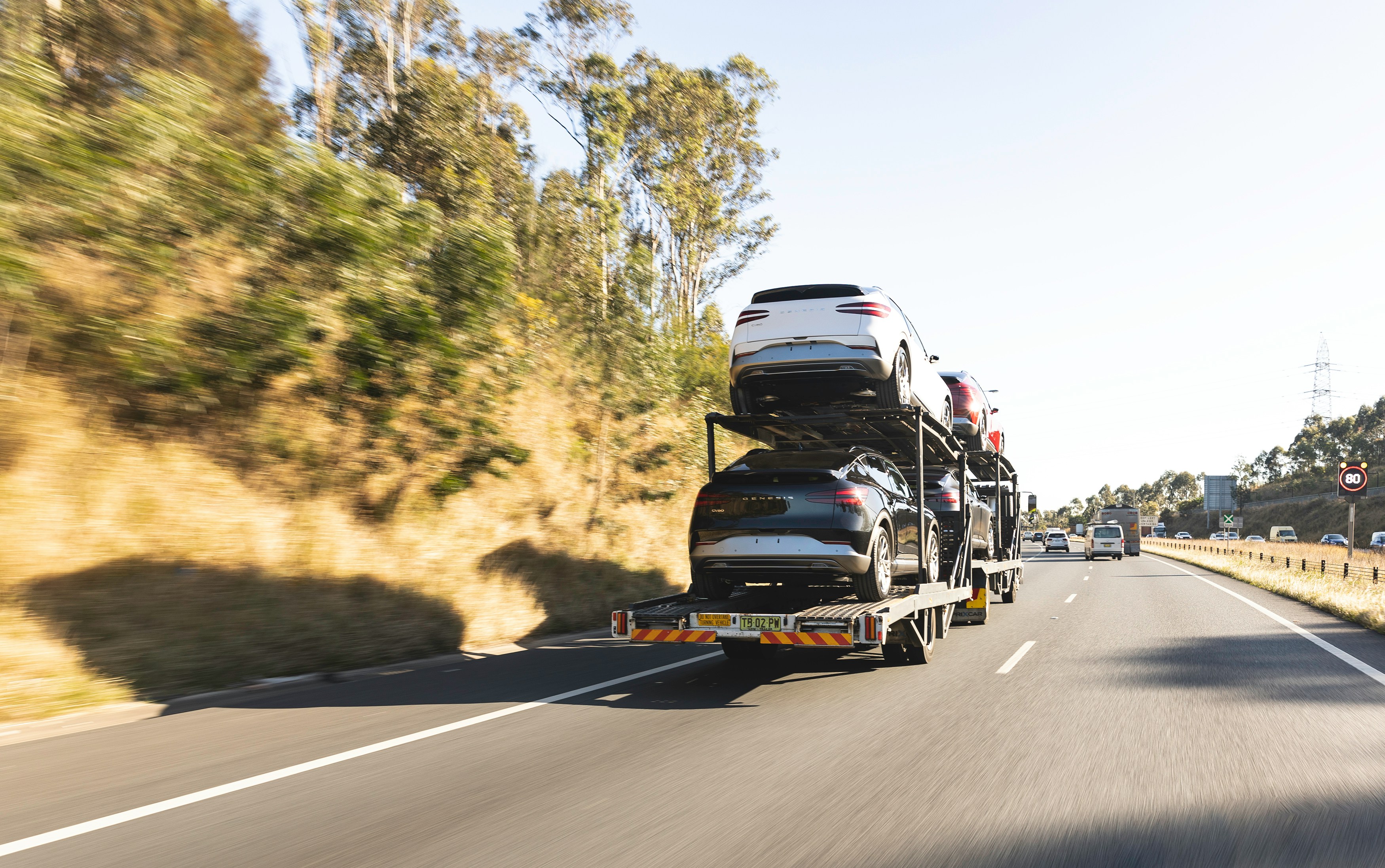
A salvage brand on a title is supposed to be a permanent scar, a warning that travels with the car for life: this vehicle was once flooded, crashed beyond economic repair, or written off as a total loss. Title washing is the dark art of erasing that scar, not by repairing the car but by moving it to a place that does not recognise the brand and re-registering it there. The damage stays exactly where it was; only the paperwork forgets. Our cross-border records exist to put the scar back where it belongs, by following the VIN across every jurisdiction it has touched. Here is how the wash works, why borders make it possible, and how a history that does not stop at the frontier defeats it.
How the Wash Works
Branding rules differ from one jurisdiction to the next, and that inconsistency is the entire opening a washer exploits. A car declared a total loss in one country carries a 'salvage' or 'flood' brand on its title there, plainly visible to any local buyer. The fraudster ships it across the border to a region with looser rules, a different branding system, or no data-sharing agreement, re-registers it under local law, and the new title comes back clean. As far as the fresh paperwork is concerned, the write-off simply never happened. The car has not changed at all; it is just as flooded or as structurally compromised as the day it was condemned, but its new document tells a spotless lie.
Why Borders Are the Weak Point
National title databases rarely talk to each other, and that disconnection is the structural flaw at the heart of title washing. A brand logged in one country's system simply does not exist in the next country's records, so re-registration abroad starts the car's documented life over with a blank slate. Fraudsters map these blind spots deliberately, learning which borders break the paper trail most effectively and routing wrecks through them on purpose. Each crossing is another opportunity to launder the history a little cleaner, and a determined ring will move a car through several jurisdictions, knowing that with every hop the original brand sinks further out of any single country's reach.
What Gets Hidden
Title washing buries the most dangerous facts a car can carry, the very things a brand is meant to warn you about. Flood and water-damage write-offs disappear, taking with them the warning of corroded wiring, rotting modules and electrics that will fail unpredictably. Structural total losses vanish, hiding compromised crumple zones and crash safety that may not protect you in the next impact. Stolen-recovered vehicles with patchy, undocumented repair histories pass as ordinary used cars. And salvage cars rebuilt from parts of questionable origin are sold as if they left the factory whole. Every one of these is a serious safety or financial risk, and washing is designed to slip all of them past you.
The Cost to Buyers
A washed title turns a worthless or dangerous wreck into something that looks, on paper, like a normal used purchase, and prices it accordingly. Buyers pay clean-car money for salvage-grade risk, then discover the truth at the worst possible moment: when the structure fails a roadworthiness inspection, when an insurer refuses or slashes a claim after learning the car's real status, or when a resale collapses because the next buyer's history report exposes the past the seller paid to hide. At that point the loss can be the entire purchase price, because a car with a discovered washed title is worth a fraction of what was paid, and sometimes nothing road-legal at all.
How Cross-Border Data Beats It
The only reliable defence against a washed title is a history that refuses to stop at the border. VIN Detector aggregates records from every jurisdiction a car has passed through, so a salvage or flood brand applied in one country resurfaces in the report even after the vehicle has been re-titled clean in another. The brand may have vanished from the local paperwork the seller proudly shows you, but it stays attached to the VIN in our cross-border view. This is precisely why a domestic-only check is so dangerous on an imported car: it queries only the country that issued the clean title, and so it confirms the wash instead of catching it.
Reading the Warning Signs
On a report, certain patterns are the fingerprints of a wash, and once you know them they are hard to miss. Watch for a recent change of country paired with a brand-new, suspiciously clean title; gaps in the timeline clustered around a border crossing; or a car that suddenly appears in a new market with no prior local history at all, as if it sprang into existence the moment it was re-registered. A vehicle's documented life should be continuous and traceable across borders. When it instead resets at a frontier, the reset itself is the signal, and our cross-border view is built to surface exactly that discontinuity.
Protect Yourself
Before buying any imported car, run the full VIN history and pay particular attention to every single country the vehicle has lived in, not just the one whose title you are holding. A clean local title means nothing if the wreck was branded somewhere else and shipped in to shed it. Trace the whole journey, country by country, and a washed title cannot launder away the truth that follows the number. A subscription opens with a 2-day trial for €3.99, then €49.99/month, auto-renews and cancels anytime, which is trivial against the loss of buying a branded wreck dressed as a clean car. Let the cross-border history have the final word, not the freshly printed local document.