Flood-Damage Cover-Ups: The Warning Signs Sellers Hide
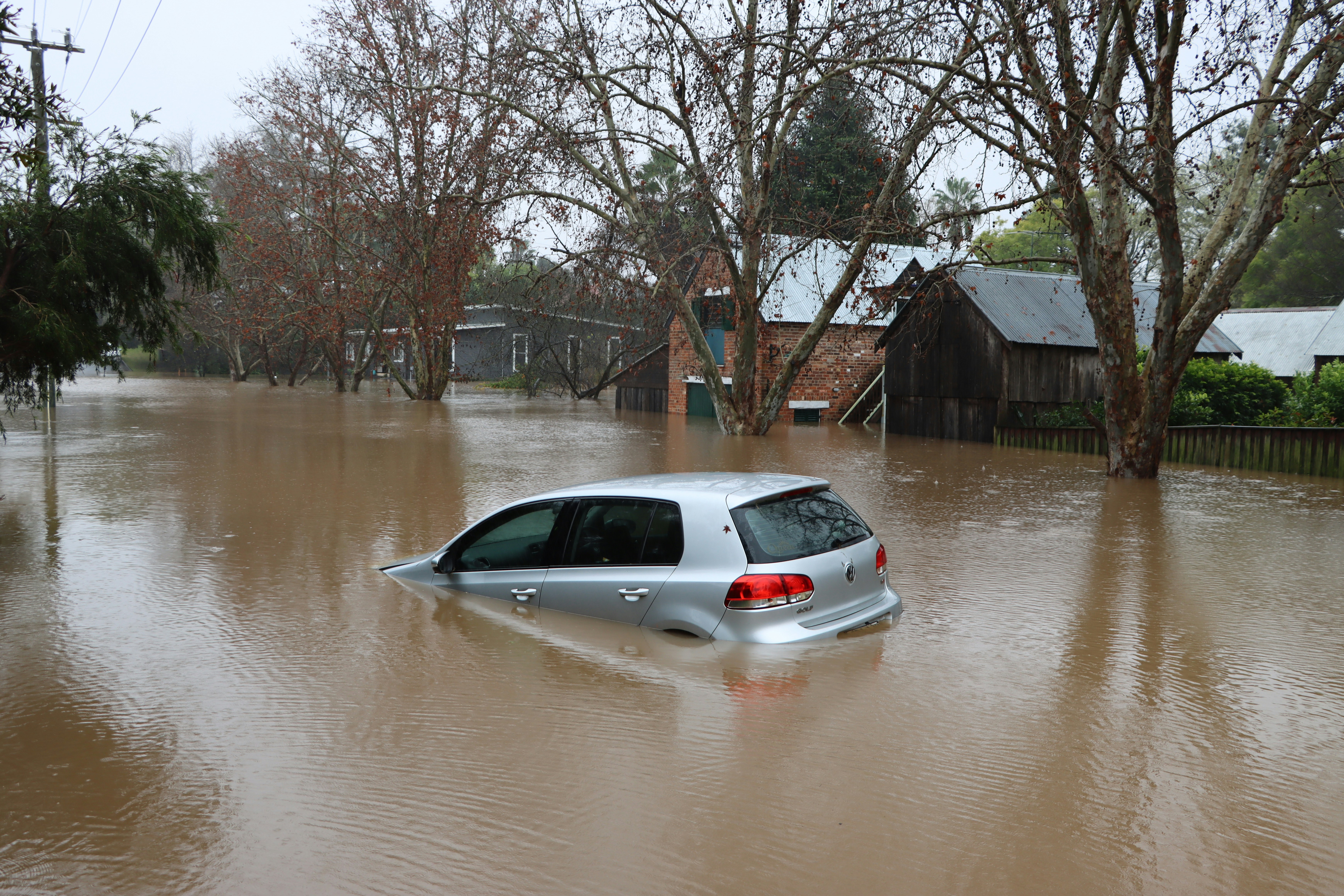
After every major flood, thousands of waterlogged cars vanish from the disaster zone and resurface, cleaned up and re-titled, in dealerships and driveways far away. The cars are dried out, deodorised, detailed and shipped hundreds or thousands of miles from where they drowned, then sold to buyers who have no idea what they are sitting in. A flood car can look flawless and still be a rolling electrical time bomb, because the worst of the damage is exactly what you cannot see. Here is how to catch one before it catches you, using your senses, a careful inspection, and the records that follow the VIN no matter where the car is sold.
Why Flood Cars Are So Dangerous
Water destroys what you cannot see. It corrodes wiring harnesses from the inside, rots control modules and connectors, and seeds rust deep in the chassis, the seat frames and the seatbelt mechanisms. A flood car may start and drive perfectly for months, then fail brakes, airbags, lights or engine electronics without warning, often when you least expect it. The corrosion keeps spreading silently long after the car looks dry. That is precisely why insurers write these cars off as total losses, and precisely why fraudsters work so hard to scrub the brand from the title: a flood car is not a cheaper version of a normal car, it is a different and more dangerous thing wearing the same body.
Follow Your Nose
Water leaves a signature that no detailing can fully remove. Climb in, close the doors, and breathe deep: a musty, mildewy, damp-basement smell is a serious warning, and so is an overpowering air freshener or a freshly shampooed interior trying to mask one. Then run the air conditioning on full and sniff the vents directly. Mould thrives in the ducting of flooded HVAC systems, and the smell pours out the moment the fan spins up, even when the cabin itself has been aired out. Trust this sense above all the others: a seller can repaint, re-carpet and polish a car, but they struggle to win the war against the smell of water that sat where it should never have been.
Hunt for the Waterline
Look where water settles and where silt gets trapped, in the places a hasty clean-up overlooks. Pull back the carpets and lift the spare-wheel well, checking for dried mud, fine grit, sand or rust staining. Peer into the seat rails, the seatbelt retractor mechanisms, the depths of the glovebox and the far corners of the boot. Run a finger along the lower edges of the door panels and under the dashboard, where a faint brown tide line, the ghost of the water level, often survives the most thorough valet. Silt is the giveaway: it works its way into crevices that no flood-damaged car can be fully cleared of, and finding it anywhere is enough to walk.
Inspect the Electrics
Flood damage attacks every circuit, so test every electrical feature methodically: windows, mirrors, central locking, all lights, the infotainment, heated seats, climate controls and every warning lamp. Anything intermittent or sluggish is suspect. Wiggle the wiring you can reach under the dash and behind the kick panels, looking for green or white corrosion on connectors and for plugs that look mismatched or recently replaced. Check the headlight and taillight lenses for internal fogging or a waterline, a classic sign water got where it never should. A car that needed several electrical components replaced at the same recent date, with no accident to explain it, was very likely fighting the aftermath of a soaking.
Check the Hidden Metal
Look under the bonnet and inside the boot for rust in places that should be perfectly dry: exposed screws and bolt heads, bracket fixings, hinge points, suspension mounts and the inner edges of body seams. Unusual corrosion on a relatively young car does not happen by accident, and rust that appears only in the lower, water-reaching parts of the car points straight at flooding. Be equally suspicious of the opposite: brand-new-looking carpets or seat foams bolted into an otherwise tired, aged interior. A single fresh component in a sea of normal wear usually means something underneath had to be replaced, and water damage is the most common reason it had to go.
Let the Records Talk
The most reliable tell of all is on paper, not in the metal. A VIN Detector report flags salvage and total-loss titles, including the flood and water-damage brands that fraudsters most want to erase. If a car was declared a flood loss in one region, that brand stays attached to the VIN and surfaces in the report even after the vehicle is dried out, shipped and re-titled somewhere new. This is where the scam usually breaks, because the seller controls the car and the local paperwork, but not the recorded history that travels with the number. A subscription opens with a 2-day trial for €3.99, then €49.99/month, auto-renews and cancels anytime, which is nothing against the bottomless repair bills of a flooded car.
Title Washing and Cross-Border Tricks
Scammers move flooded cars across state or national lines specifically to drop the flood brand from the title. They re-register the car in a jurisdiction that does not recognise the original brand, and the new local title comes back clean, as if the water never happened. Our report defeats this by tracking the vehicle across every jurisdiction it has touched, so a flood loss recorded in one place cannot be laundered into a spotless title somewhere else. The water mark stays on the VIN even when it is gone from the paperwork in front of you. This is exactly why a domestic-only check is so dangerous on an imported car: it may confirm the very washed title the fraudster engineered.
When in Doubt, Walk Out
A flood car is never a bargain, whatever the discount looks like on the day. The repair bills do not arrive politely one at a time; they arrive later, together, as corrosion finally reaches a critical circuit, and the safety risk to you and your passengers is real and unpredictable. If the smell, the silt, the corrosion or the report raises a flag you cannot explain away, treat that as your answer and move on. There are millions of other cars on the market and no reason to gamble your money and your safety on the one a fraudster worked hardest to dry out. Save the flooded ones for the buyer who did not read this article.