Stolen Cars Resold With Fake VINs: How the Scam Works
Imagine paying full price for a used car, registering it in your name, insuring it, driving it happily for months, then opening your door to police who seize it because it was stolen. You lose the car and the money, and you have committed no crime beyond trusting the wrong seller. This is the brutal endgame of VIN cloning, where a stolen vehicle is given the borrowed identity of a legal twin so it can be sold to someone who trusts the paperwork. It happens more often than the trade likes to admit, it is run by organised rings rather than lone opportunists, and it is built specifically to survive a casual buyer's glance. Here is the anatomy of the con, step by step, and how to make sure you are never its victim.
Step One: The Donor Car
The ring begins by finding a legitimate vehicle of the same make, model, colour, year and often trim, the closer the match, the better the disguise. They locate this 'donor' by scanning public sales listings, scouting car parks, or noting plates and details of cars on the street. The donor itself is never touched; it stays clean, legal and on the road, blissfully unaware that its identity is being copied. Its VIN, its registration details and its documented identity become the costume that will be dressed onto a stolen twin. The whole scheme depends on this real, verifiable identity existing somewhere, because it is what makes the fake survive a quick check.
Step Two: Stealing the Twin
Now the ring steals a matching car, identical in make, model, colour and year to the donor. On its own this stolen vehicle is unsellable: every theft database knows it is hot, and its own VIN would flag the instant anyone looked. So the criminals strip away its real identity surgically. They grind off, overstamp or replace the stamped chassis VIN, swap the VIN plate visible through the windscreen, peel and replace the door-jamb sticker, and forge a registration document copied from the donor. When they finish, the stolen car physically wears the legal car's number on every plate a buyer is likely to check.
Step Three: The Sale
Now the stolen car carries a clean car's identity, and the trap is set. The forged paperwork checks out at a glance, the VIN on the dash matches the VIN on the documents, and a basic lookup confirms a real, legitimate car exists under that number, because it does, just not this one. A trusting buyer hands over genuine money for a vehicle that legally belongs to someone else and to the thieves not at all. The car is typically sold cheaply, quickly, and far from where it was stolen, often through a rushed private meeting that discourages careful checks. Everything is engineered to close the deal before anyone looks past the surface.
Step Four: The Knock at the Door
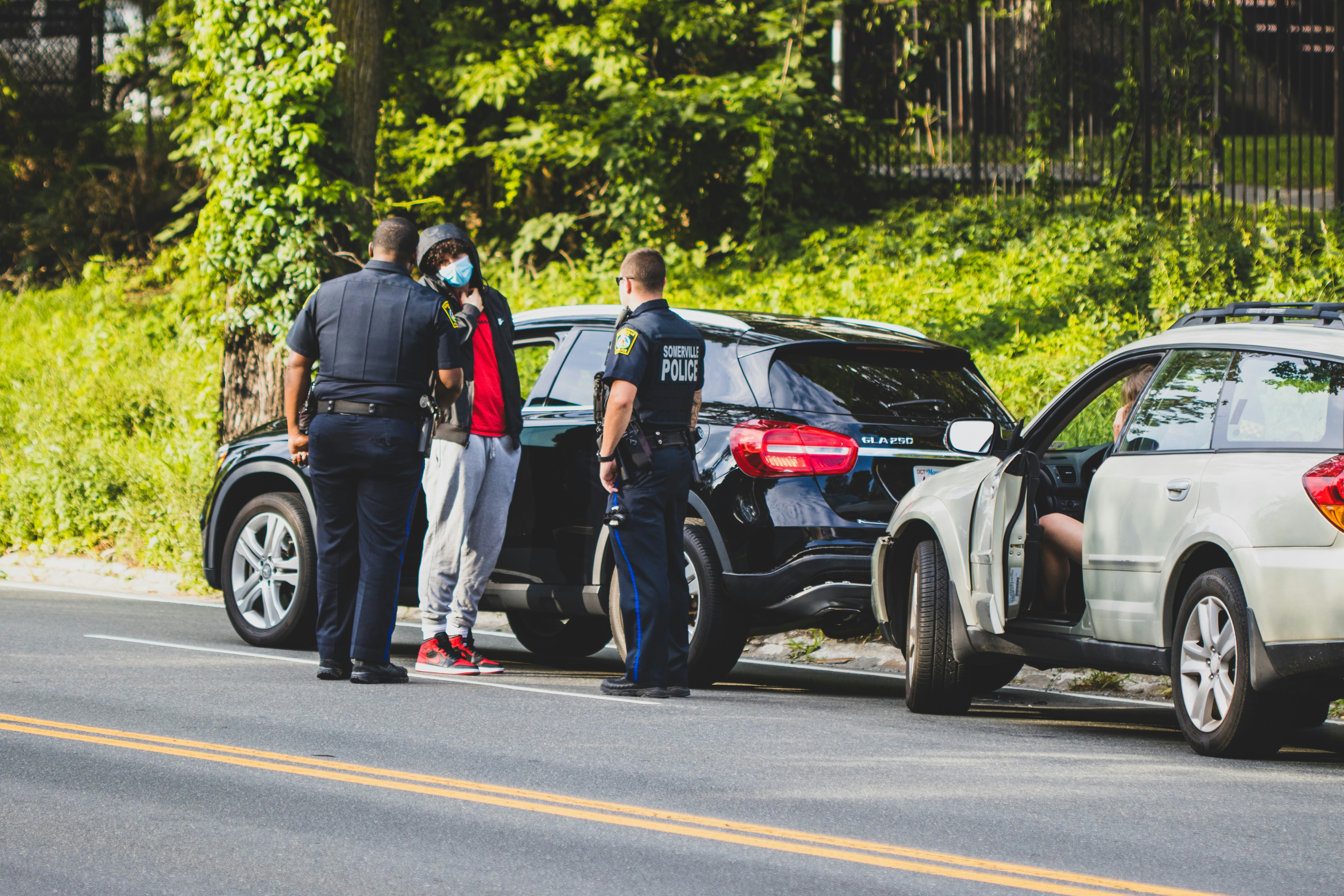
The fraud unravels in one of a few predictable ways. Two cars carrying the same VIN eventually surface in the system, an insurer or registration office spots the duplicate, or a thorough check exposes the identity mismatch. Police trace the genuine stolen vehicle through it, and when they do, it is the innocent buyer who pays the entire price. The car is confiscated and returned to its rightful owner or insurer, the registration is voided, and the chance of recovering the cash from a long-vanished seller is close to zero. Months of ownership, the full purchase price and the car itself all evaporate at once, and there is almost no legal recourse left.
Why a Casual Check Is Not Enough
A clone is engineered precisely to pass the checks most buyers actually do. The documents look right, the VIN is a valid number, and a quick free lookup confirms a real car exists under it. That is the trap: confirming a number exists is not the same as confirming that the car in front of you is the one the number belongs to. The donor's clean identity papers over everything, and a buyer who stops at the surface sees only a legitimate-looking deal. Catching the clone means going deeper, into the recorded history of where that VIN has actually been and whether the physical car can possibly be it.
How to Avoid Becoming the Victim
A clone is built to pass a casual look, but not a real history check. VIN Detector cross-references theft and total-loss records and flags the identity inconsistencies that documents alone will never reveal, such as the same VIN appearing in impossible places or specs that do not fit the car. Stand at the vehicle and confirm that the stamped chassis VIN, the dashboard plate and the door sticker all match each other, the documents, and the report's decode of what that VIN should be. Never buy a car whose identity you cannot fully verify. A subscription opens with a 2-day trial for €3.99, then €49.99/month, auto-renews and cancels anytime, and the five minutes it takes can save you the entire purchase price and the car along with it.