Odometer Fraud Rates by Country: Where Clockers Thrive
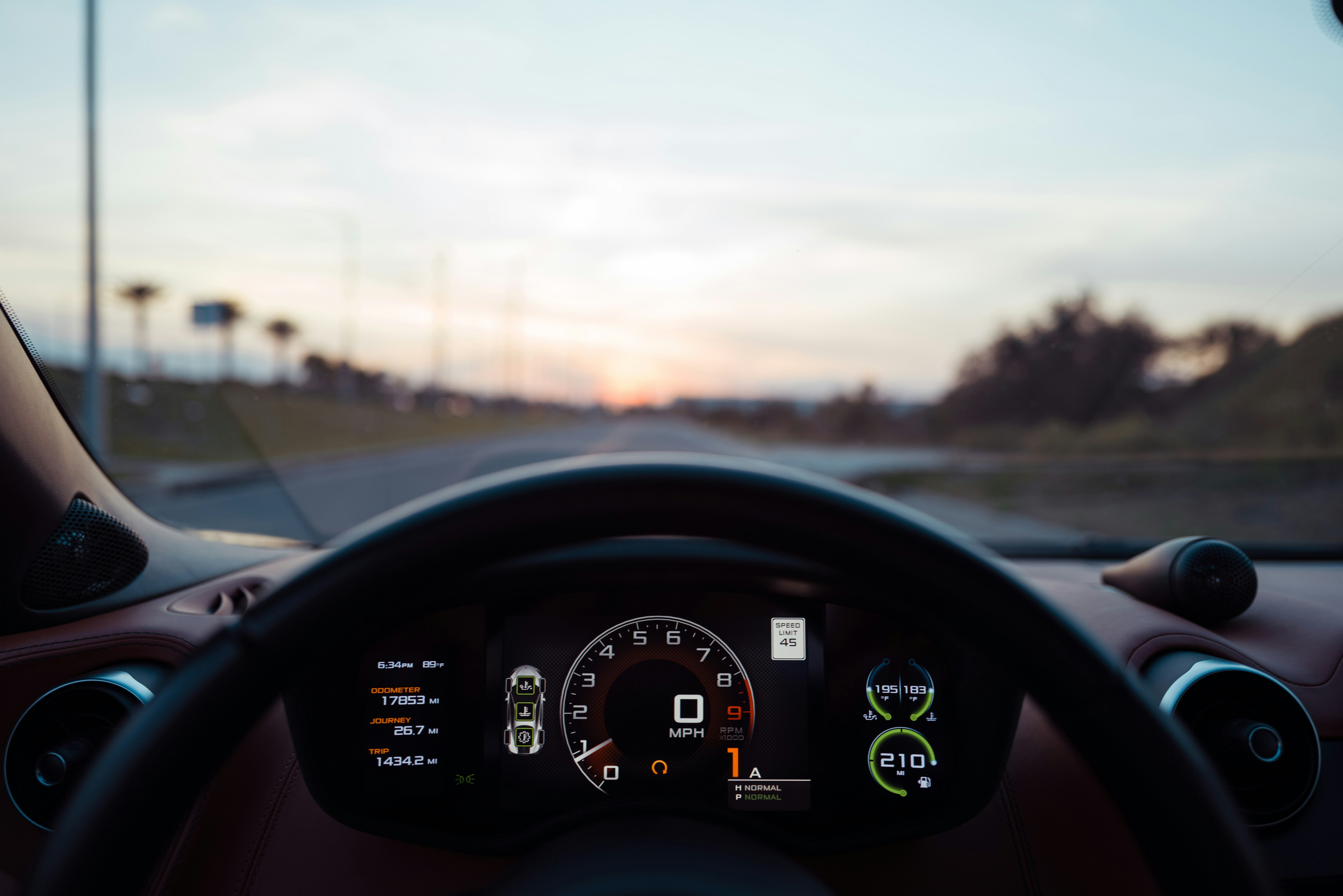
Clocking a car, winding the odometer back to fake lower mileage, is one of the oldest scams in the trade and one of the most profitable. It takes minutes on a modern digital dash, it adds thousands to the asking price, and it is almost invisible once done. Our analysis of millions of history records reveals just how widespread it has become, where buyers are most exposed, and why a number on a dashboard tells you nothing about the car you are actually buying. The geography of this fraud is not random: it follows weak enforcement, fractured records and the routes along which cars are bought, shipped and resold.
A Billion-Dollar Con
In the United States alone, an estimated 2.45 million vehicles are suspected of having their odometers rolled back. The average buyer loses around €3,300 per clocked car, and the total annual cost to consumers tops €1 billion. Europe fares even worse. An estimated €5.3 billion vanishes every year to mileage fraud, and on some cross-border routes up to 50% of imported vehicles show signs of tampering. These are not rounding errors in a vast market; they are systematic transfers of wealth from ordinary buyers to people willing to lie about a number. And because each individual loss is buried inside a single private sale, the scale of the problem stays invisible to the people most likely to become its next victims.
The Worst-Hit Markets
Fraud follows the money, and it follows weak enforcement. Our records show the highest tampering rates clustered along import corridors, where cars change hands and countries fastest. Eastern European import hubs see tampering suspected on as many as one in two cars arriving from the west. Markets without a mandatory mileage registry run three to four times the fraud rate of countries with central logging, because there is simply nothing to contradict whatever number the seller dials in. And high-volume re-export chains are worst of all, since every border crossing is another chance to reset the clock and add another clean-looking paper trail on top of the lie.
Why Borders Make It Worse
Every time a car changes country, its paper trail can fracture. Mileage logged in one national database does not automatically follow the vehicle abroad, and clockers exploit that gap with surgical precision. A car with 240,000 honest kilometres at home can land across the border advertised at 140,000, with nothing in the local records to contradict it. The genuine readings still exist, but they sit in a system the new buyer's country never queries. This is why a domestic-only check is so dangerous on an imported car: it confirms the lie rather than catching it, because it never looks at the history the fraudster deliberately left behind.
The Price-Tag Pattern
Fraud is not evenly spread across price brackets. Cheaper cars are clocked far more often, for two reasons that reinforce each other: the lie is harder to disprove on a low-value car, and the buyers are less likely to pay for a proper check. The under-€5,000 segment carries the highest tampering rate of any band, which is a cruel inversion of fairness, because that is exactly where cash-strapped buyers can least afford to lose money. The people stretching a tight budget for basic, reliable transport are the ones a clocker targets most deliberately, knowing they are the least likely to verify and the most hurt when the truth eventually surfaces.
The Telltale Wear a Rollback Cannot Hide
Numbers can be rewritten, but the car itself ages honestly. A vehicle that has genuinely covered low mileage still wears its steering wheel, gear knob, pedals and seat bolsters lightly, and still rides on tyres and brake components consistent with its claimed distance. When a dashboard says 90,000 but the pedal rubbers are worn to a shine and the driver's seat sags, the cabin is telling the truth the display is hiding. These physical tells are the first crack in a clocker's story, but they only prove something is wrong; they do not prove what. For that you need the recorded history, which is where geography stops protecting the fraudster.
How to Beat the Odds
Geography is not destiny. A full history report stitches together mileage readings from every available source, across every border the car has crossed, and lays them out as a single timeline instead of a series of disconnected national snapshots. One backward step in that timeline is all it takes to expose a clocker, no matter which country tried to bury the truth. A VIN Detector subscription opens with a 2-day trial for €3.99, then €49.99/month, auto-renews and cancels anytime, which means you can verify every car you are considering for a fraction of the average loss on a single clocked vehicle. Check the number before you wire the money, and let the timeline say what the dashboard will not.