Spot a Clocked Car in 10 Minutes: A Field Guide
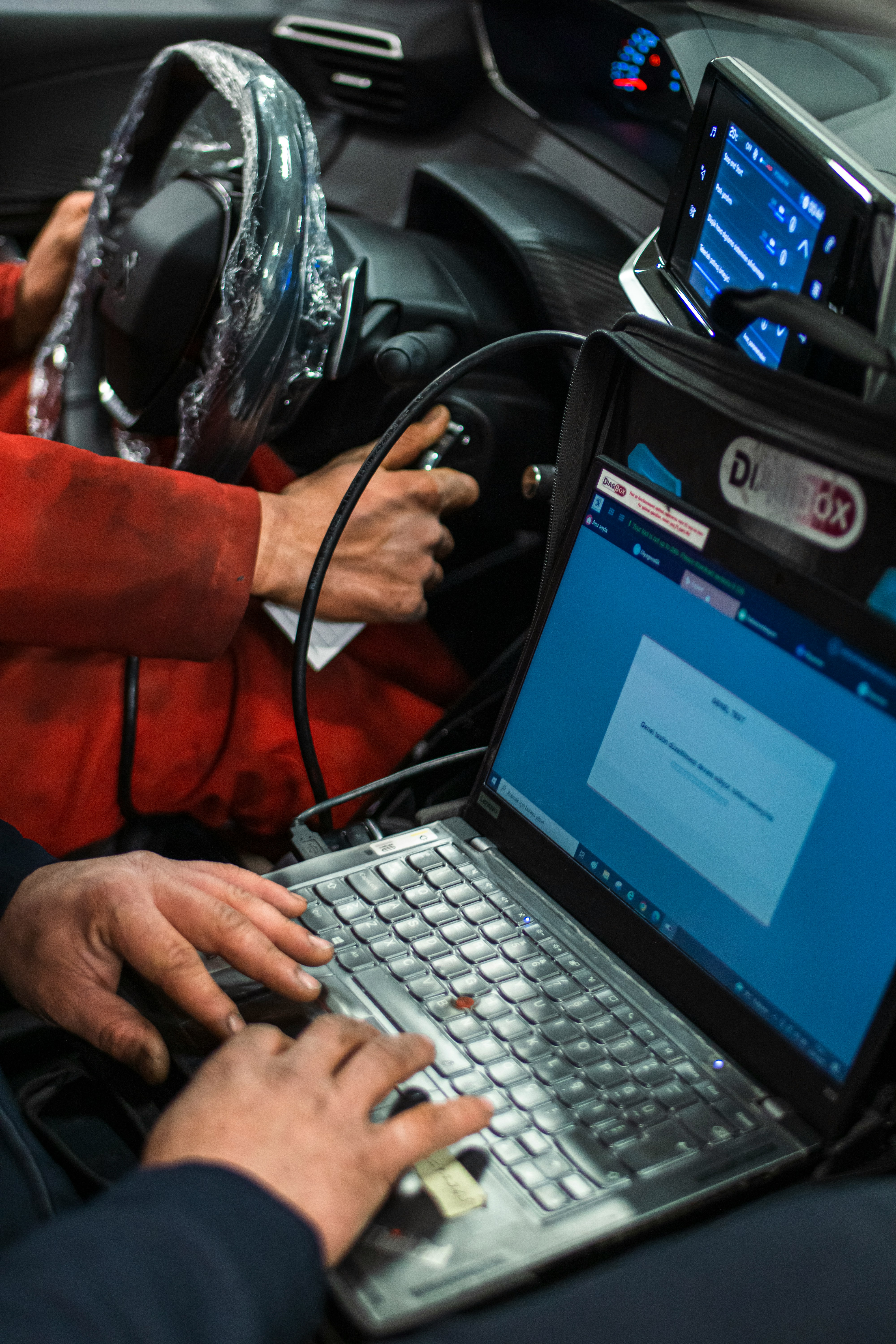
A digital dash makes rolling back mileage trivial, sometimes a €20 tool and five minutes in a parking lot, and the falsified number looks identical to a genuine one. But the car itself cannot lie as easily as its display. Every kilometre leaves a physical mark somewhere, on the pedals, the seat, the steering wheel, the tyres, and those marks do not reset when the odometer does. This is the ten-minute inspection that catches most clockers before you ever sign anything. You do not need a workshop or specialist tools, just your eyes, your nose, a few minutes of attention, and one history check at the end to turn suspicion into proof.
Minute 1-2: Read the Wear, Not the Dash
Sit in the driver's seat and ignore the number for a moment. A car claiming 50,000 km should have a steering wheel, gear knob and seat bolsters that look barely used, with no shine on the plastics and no slack in the upholstery. Run your hand over the wheel rim: genuine low-mileage cars keep their factory texture, while a clocked one feels polished smooth where thousands of hands have gripped it. A sagging driver's seat, a worn-through bolster or a glossy gear knob on a supposedly young car is your first alarm bell, and it costs you nothing but thirty seconds of attention before excitement takes over.
Minute 3-4: Pedals and Floor Mats
Pedal rubbers wear through with use and cannot be faked cheaply, which makes them one of the most honest parts of any car. Worn-to-metal pedals, or fresh aftermarket rubbers fitted to disguise the wear, on a car claiming low mileage mean someone is lying. Then lift the floor mats and look at the carpet underneath. Heavily worn or dirty carpet hiding under suspiciously fresh-looking mats is a classic clocker move: the seller dresses the parts you see and forgets the parts you are supposed to ignore. The mismatch between a tidy surface and a tired layer beneath it tells you the car has done far more than the dash admits.
Minute 5-6: The Service Book and Stickers
Open the service history and check the mileage recorded at each stamp. The numbers should always climb, evenly, with no reading lower than the one before it. A figure that drops, or a long gap right before a low current reading, is a red flag you can hold in your hand. Then look for the oil-change sticker in the windscreen corner or the door jamb, where garages note the mileage at the last service, and which clockers very often forget to peel off. A sticker reading higher than the current dash is a smoking gun: the car had already done more kilometres at its last oil change than the odometer claims today.
Minute 7-8: Tyres, Brakes and Belts
Original tyres on a genuinely low-mileage car still carry their factory date codes and plenty of tread, and they match each other as a set. A 30,000 km car already on its third set of tyres is doing something the seller is not telling you, because tyres do not wear out that fast under honest use. Glance at the brake discs for deep wear lips, and check the timing belt or service sticker under the bonnet: a belt replaced at high mileage flatly contradicts a low reading on the dash. Each of these components ages on its own schedule, and when several of them disagree with the odometer, the odometer is the one that is lying.
Minute 9-10: Run the VIN
Everything physical only raises suspicion. The history report confirms it beyond argument. Enter the VIN into VIN Detector and read the mileage timeline: every recorded reading from inspections, services and registrations should rise over time, in a clean upward line. One backward jump, one reading that sits below an earlier one, and the case is closed, the car has been clocked. A VIN Detector subscription starts with a 2-day trial for €3.99, then €49.99/month, auto-renews and cancels anytime, so you can run this final check on every car you seriously consider. Ten minutes of looking plus one VIN check, and a clocker has nowhere left to hide.
When the Numbers Fight Each Other
Trust the evidence, not the salesperson. If the cabin says 200,000 and the dash says 90,000, the cabin is telling the truth, because worn pedals and a polished wheel cannot be undone, while a digit on a screen can be changed in minutes. A seller faced with that contradiction will try to explain it away with a replaced cluster or a misremembered figure, but an honest cluster swap is documented and the corrected mileage logged. With no paperwork to back the story, walk away, or use the report to renegotiate from a position of total strength. The seller was betting you would never look this closely, and the moment you do, their leverage collapses.
Make It a Habit
Every used car you view deserves these ten minutes, no exceptions, no matter how clean it looks or how much you already want it. Clockers rely entirely on rushed, emotional buyers who fall for a shiny exterior and never check beneath the surface. The whole scam depends on you being in a hurry. Slow down, run through the wear, the pedals, the mats, the stickers and the tyres, then finish with the VIN, and you transform yourself from an easy mark into the buyer fraudsters quietly hope never walks through their door. The discipline costs you a quarter of an hour. The lack of it can cost you thousands.