How to Unmask a Scam Listing Before You Lose a Dime

Every scam listing has a cover story. The seller is moving abroad next week, the car belonged to a quiet retiree who barely drove it, the price is low because they need a fast, hassle-free sale. Behind that tidy little narrative is usually a vehicle with something to hide: a wound-back odometer, a crash painted over, a washed title, or an identity borrowed from a legal twin. Fraudsters are good at dressing up junk, but they are betting on one thing above all, that you will trust the story and skip the checks. VIN Detector was built to call that bluff. It rips the mask off in seconds, before your deposit disappears into an account you will never trace, and it does it with evidence the seller cannot argue with.
The VIN Detector Score
Our score boils a vehicle's entire documented history down to a single number from 1 to 10, so you get a verdict before you ever read the detail. A low score is a flashing red light. It is not a vague mood reading: it weighs mileage rollbacks, hidden accident and flood damage, salvage and total-loss title brands, and theft flags, then turns all of it into one figure you can grasp instantly. A car that scores near the bottom deserves a hard pass, no matter how clean the photos look or how convincing the seller sounds. A high score tells you the records line up and the listing is worth a closer look. Either way, you start the conversation knowing more than the seller assumes you do, and that single shift in information is what flips the balance of power in any deal.
Mileage Timeline Alerts
Clockers count on you never seeing the odometer's past. On a modern digital dash, winding the number back can take a cheap tool and five minutes in a car park, and the new figure looks every bit as official as a genuine one. We defeat that by rebuilding the full mileage timeline from inspection records, service stamps and registration events, then plotting every reading in order. Honest mileage only ever climbs. The moment a number goes backwards, or jumps thousands of kilometres in a span where it could not have, the timeline shows it as a break you cannot miss. There is no smoother lie in the used trade than a lower odometer, and no faster way to expose it than watching the line drop where it should have risen.
Theft and Title Flags
A clean-looking car can still be stolen, written off, or carrying a laundered title from another country. VIN Detector cross-checks theft databases and title brands across jurisdictions, so a vehicle that was declared a total loss in one place cannot quietly reappear as a bargain somewhere else. This matters most with imports, where the worst secrets are deliberately left behind at the border. A salvage, flood or stolen-recovered brand is supposed to follow a car for life, but title washing tries to scrub it off by moving the vehicle to a region that does not recognise it. Our report keeps the brand attached to the VIN even after the local paperwork comes back spotless, so the warning travels with the car no matter how far it is shipped.
Hidden Damage Cards
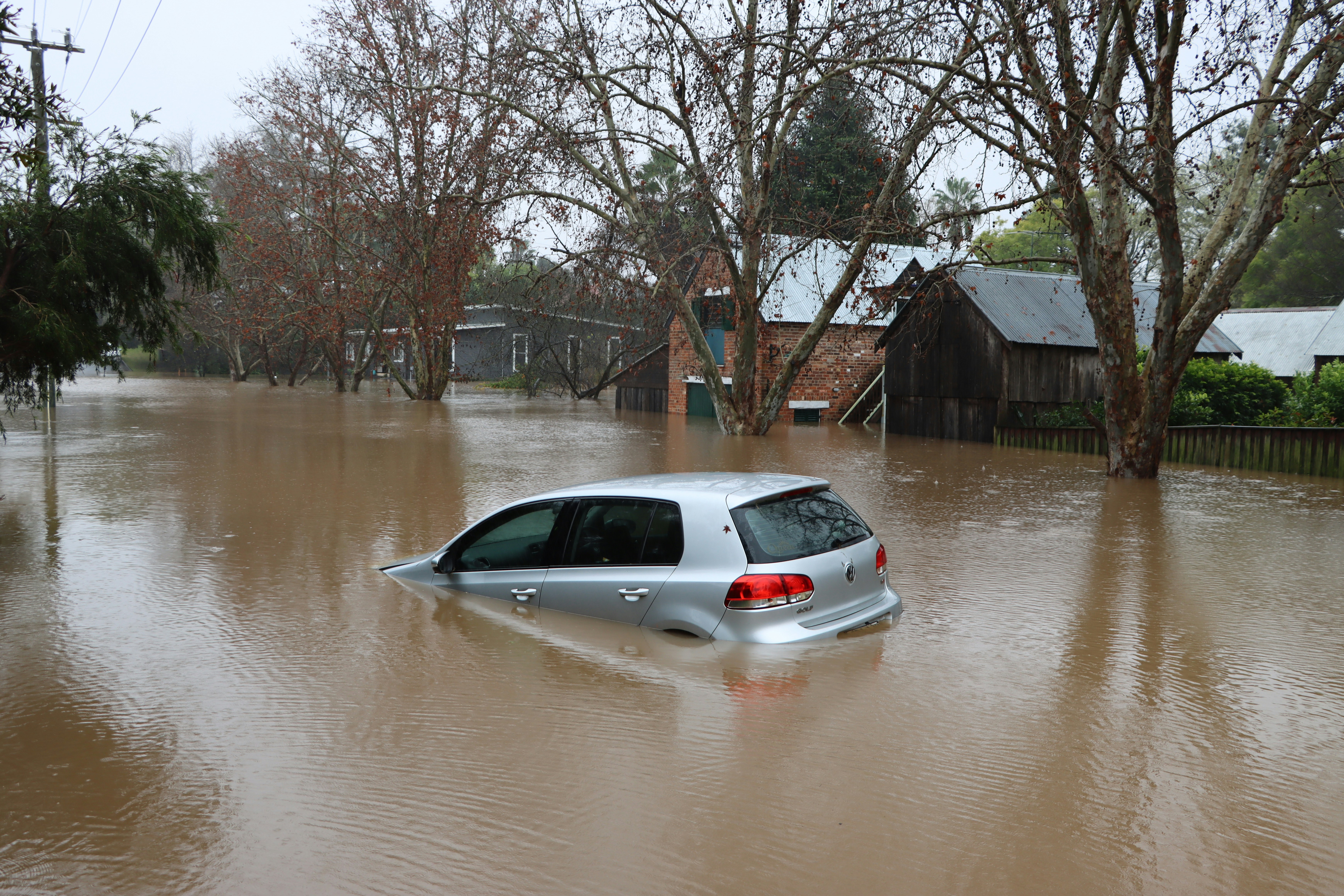
Our Assessment cards expose accident and flood history that sellers paint over. Each card shows where the car was hit, how badly, and what a proper repair should have cost, so a freshly detailed exterior cannot hide a bent frame underneath. This is where a glossy listing falls apart. A panel respray and a weekend of valeting can fool the eye, but they cannot rewrite the record of an insurance claim, a structural repair or an airbag deployment. When the cards show a heavy hit on one corner and the seller swears the car has never been touched, you are not looking at a misunderstanding, you are looking at a deliberate omission, and you now have it in writing before a single euro changes hands.
Photo and Listing Cross-Check
Scammers reuse the same stolen photos across dozens of fake ads, sometimes for cars that do not exist at all. Our report pairs the documented history with the exact VIN on the listing, so the advertised version of the car has to survive contact with the real one. When a 'one careful owner' car turns out to have a record full of cross-border transfers, multiple names and logged damage, the contradiction is impossible to talk around. The listing says one thing, the VIN says another, and the VIN does not have a sales pitch. Reading the two side by side turns a polished advert back into what it really is: a set of claims that either match the evidence or do not.
The Shareable Alert Sheet
Caught something suspicious? The PDF one-pager condenses every red flag onto a single page you can put in front of the seller, hand to a mechanic, or keep as a record. There is a particular moment, every fraud-busting buyer learns to enjoy it, when a seller realises you are not improvising your doubts but reading from documented findings. Watch how fast the story changes when someone counting on your ignorance suddenly sees the receipts laid out. The price drops, the urgency evaporates, or the seller stops replying entirely. None of those are the reactions of an honest person with nothing to hide, and the sheet draws them out in seconds.
What a Check Costs Against What a Scam Costs
Set the numbers next to each other and it stops being a decision at all. A scammed buyer can lose the entire purchase price, thousands of euros, plus the car itself if it turns out to be stolen or a clone. Against that, a VIN Detector subscription starts with a 2-day trial for just €3.99, then runs at €49.99/month, auto-renews and can be cancelled anytime. You can check the car you are looking at today, and the next three you view this month, for the price of one tank of fuel. The fraudsters are betting you will think a report is an expense. The math says it is the cheapest insurance you will ever buy.
Trust, but Verify
No honest seller is hurt by a buyer who checks the VIN. A genuine private owner shrugs and hands the number over; a real dealer often runs the report for you. The only people who lose when you verify are the ones who were counting on you not to, and those are exactly the people you want to lose to. So make the check a reflex, not an afterthought. Run the number before you arrange a viewing, before you fall for the photos, and long before you hand over a cent. Let the timeline, the title flags and the damage cards do the talking, and let the seller's reaction to all of it tell you the rest.